
Power distribution networks face constant challenges in maintaining reliable electricity supply to consumers. When faults occur on overhead power lines, utilities need to quickly identify the problem location to minimize outage duration and restore service efficiently. This is where specialized monitoring devices play a crucial role in modern grid operations.
Traditional fault detection methods often require extensive manual inspection of power lines, consuming valuable time and resources. Modern overhead fault indicators have revolutionized this process by providing real-time monitoring capabilities that instantly alert operators to line disturbances. These compact devices mount directly onto live conductors and continuously monitor electrical conditions, detecting anomalies such as short circuits, ground faults, and other disturbances that could compromise grid stability.
What Are Overhead Line Fault Indicators?
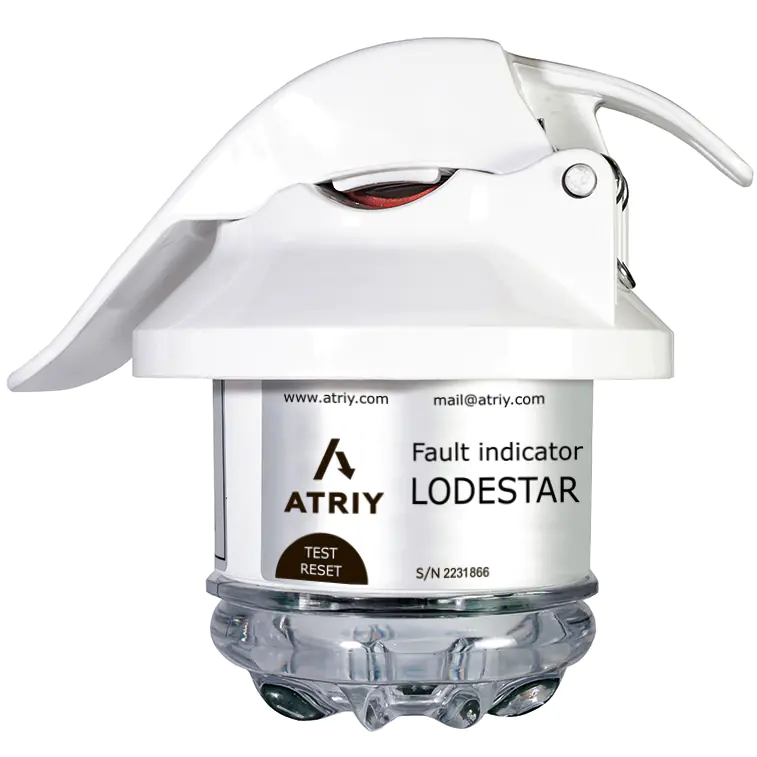
Overhead line fault indicators are intelligent monitoring devices designed to detect and report electrical faults on power distribution lines. These devices typically feature a clamp-on design that allows installation on energized conductors without requiring system outages. When a fault occurs, the indicator immediately identifies the disturbance and communicates this information to control centers through various communication methods.
The appearance of these devices varies depending on the manufacturer and specific model, but most fault indicators share common characteristics. They typically consist of a weatherproof housing that protects sensitive electronics from environmental conditions, current sensors that monitor line conditions, communication modules for remote data transmission, and visual indicators such as LEDs that provide local fault status information.
Key Applications and Benefits
Fault indicators serve multiple critical functions in power distribution networks. Their primary purpose is rapid fault location, which significantly reduces the time maintenance crews spend searching for problems along extensive power lines. Instead of patrolling miles of conductor to locate a fault, operators can immediately dispatch crews to the specific problem area.
These devices also enhance grid reliability by enabling faster restoration times. When integrated with automated switching systems, fault indicators can facilitate automatic isolation of faulted sections and restoration of service to unaffected areas. This smart grid functionality minimizes the number of customers affected by outages and reduces overall system downtime.
Technical Features and Capabilities
Modern fault indicators incorporate advanced technologies that distinguish them from simple visual warning devices. Many units feature sophisticated algorithms that can differentiate between permanent faults and temporary disturbances, reducing false alarms and improving system reliability. Communication capabilities typically include cellular networks (3G/4G), allowing devices to send immediate alerts to SCADA systems regardless of their remote location.
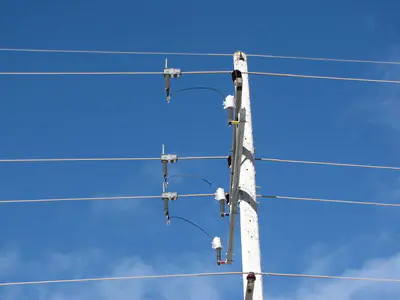
Installation flexibility is another key advantage, as most devices can be mounted on live lines without service interruption. This capability allows utilities to deploy fault monitoring across their networks progressively without impacting customer service. The devices are designed to withstand harsh environmental conditions, ensuring reliable operation in various weather conditions and geographical locations.
Integration with Smart Grid Systems
Fault indicators play a vital role in smart grid development by providing the real-time visibility necessary for automated grid management. When integrated with distribution automation systems, these devices enable rapid fault isolation and service restoration, often without human intervention. This automation capability is essential for achieving the reliability and efficiency goals of modern smart grids.
The data collected by fault indicators also supports predictive maintenance programs, helping utilities identify potential problems before they result in outages. By analyzing fault patterns and frequency, operators can make informed decisions about equipment replacement and system upgrades.

Future Developments
As power grids continue to evolve toward greater automation and intelligence, fault indicators are becoming increasingly sophisticated. Future developments may include enhanced analytics capabilities, improved communication protocols, and integration with emerging technologies such as artificial intelligence and machine learning for predictive fault detection.
The ongoing transition to renewable energy sources and distributed generation also creates new challenges for fault detection, making advanced monitoring devices even more critical for maintaining grid stability and reliability. Fault indicators will continue to play an essential role in ensuring efficient power distribution as electrical networks become more complex and interconnected.